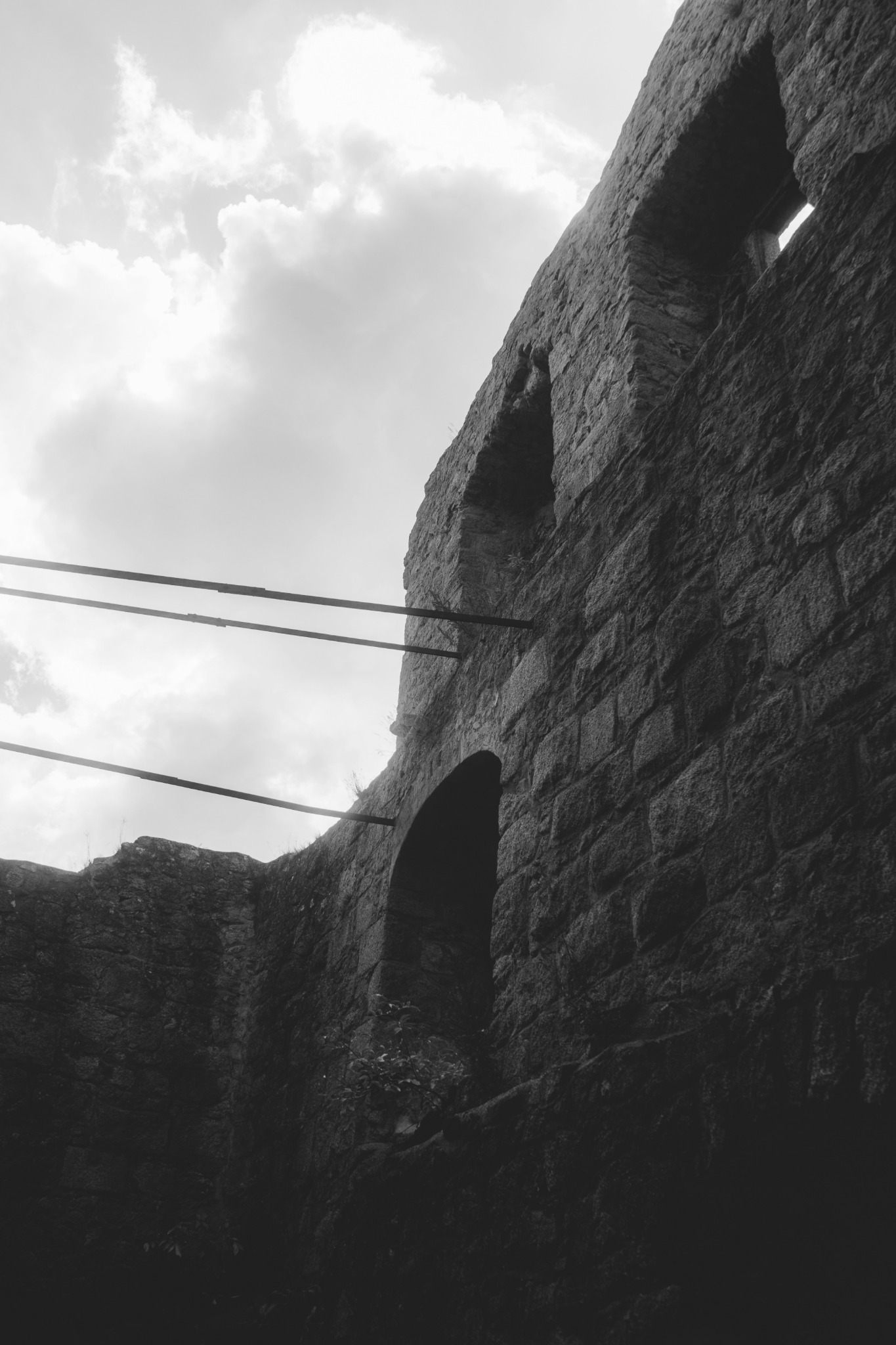
The Walled City
The Walled City had always been a place of comfort. I had lived there my entire life, and for as long as I could remember, the city was surrounded by massive stone walls. They were old, but strong, towering high into the sky. The walls were the city's only protection against the world outside, which was unknown to most of the people who lived there. They were a part of the city’s history, and no one thought much about them. The walls had always been there, so why question them?
People in the city didn’t leave. There was never really a reason to. The city had everything we needed. There were houses, stores, a school, and a small park. The streets were always busy, filled with people going to work or running errands, but there was no real excitement. The people seemed content with their lives. The world outside the walls had been talked about for generations, but no one seemed eager to explore it. There were rumors about dangerous animals and people who lived outside the walls, but those were just stories, right? No one really knew the truth.
The council of the city, however, thought that maybe it was time for a change. They had decided to build a new entrance to the city. A way for outsiders to come in and for us to venture out if we chose to. They had called me in to design the entrance. I was young, but I had recently finished my architecture studies, and I was excited about the project. At first, it seemed like a simple job—just a doorway or a small gate. But the more I thought about it, the more complicated it seemed.
I stood at the base of the wall, gazing up at it. The ancient stones, cracked and worn by time, were veiled in ivy, their deep green tendrils gripping the wall like the hands of the past refusing to let go. I had always lived here, and in some ways, the walls had become a part of me. They were the reason I felt safe, the reason I had never needed to worry about anything beyond the city. But now, standing beneath them with the weight of my task pressing down on me, I felt something shift—an uneasy whisper in the back of my mind. What if these walls weren’t just keeping danger out, but keeping us trapped inside?
The council had told me the walls had been built hundreds of years ago, to protect the people from the chaos outside. They were built in fear, during a time of war and disease. The people who built the walls had thought that the outside world was too dangerous to face, so they shut themselves in. And for years, the people of the Walled City lived safely, unaware of what lay beyond the walls.
I had heard the stories from the older generation. They told us about the dangers outside the city—the floods, the wild animals, the wars that had torn apart neighboring cities. But no one had ever actually seen any of these dangers. It was just what we were taught. The walls kept us safe, and that was all that mattered.
But something inside me started to shift. As I stood there looking up at the wall, I realized that I didn’t know if it was still the right thing to do. I didn’t know if the world outside was as dangerous as everyone said. What if it wasn’t as bad as we had been led to believe? What if the people outside weren’t so different from us? What if they were just like us, living in their own cities, facing their own struggles?
I spent the next few days talking to people in the city. I talked to Mrs. Orton, the oldest resident, who had lived in the city her entire life. She had heard the stories of the past and remembered when the walls were first built. She told me, “. "The walls are more than stone," Mrs. Orton said, her wrinkled hands resting on the windowsill as she gazed at them. "They are memory. They remind us who we are, where we come from. Tear them down, and what will hold us together?" The world outside is dangerous. We built these walls for a reason.”
Her words stuck with me. She believed that the walls were more than just stone—they were a symbol. They were a way of life, a way of holding on to the past. And maybe that was true for the older generation. But as I looked around the city, I realized that things were changing. More and more young people were asking questions. They didn’t understand why the walls were still there. They didn’t see the need to stay locked inside.
I also talked to people who were younger, people who had never known anything but the safety of the walls. They were eager to see the world outside. They were curious. They had grown up hearing stories about the outside world, but they didn’t think those stories were true anymore. “What’s so bad about the outside world?” they would ask. “Why can’t we go out there and see for ourselves?”
I realized that the walls, once built to protect the city, had become a prison. A prison for the people who had never known anything else. We were living in fear of a world we didn’t even understand. And the more I thought about it, the more I realized that maybe it was time to open up the walls, even if just a little. Maybe the city could grow, maybe it could change, if we let it.
The entrance I designed wasn’t just a way in or out—it was a wound in the city’s armor, a doorway between the past and an uncertain future. It stood open like a question waiting to be answered. a way to allow the people of the Walled City to make their own choices. The new entrance could be opened or closed at will, depending on whether people wanted to leave or stay. It wasn’t about tearing down the walls, but about giving the people the freedom to decide for themselves if they wanted to stay inside or explore the world beyond.
When the entrance was finally finished, I stood there, watching as the first people walked through. Some of them looked out at the world beyond the walls, hesitant. They had lived their whole lives inside the city, and the idea of stepping outside was terrifying. But others, younger and more curious, stepped forward eagerly, excited to see what lay beyond. They didn’t know what to expect, but they were ready to find out.
It was strange, watching them go. For so long, we had been taught to stay inside, to be afraid of the unknown. But now, people were walking through the gate, choosing to leave the safety of the walls and take a chance. I wasn’t sure what would happen next, but I felt a sense of hope. The city was no longer stuck in the past. It was moving forward, stepping into the unknown.
As I stood there, I realized that the Walled City wasn’t just a place frozen in time anymore. It was a place where change could happen, a place where the future was uncertain but full of possibility. The walls had been important, yes, but now it was time to decide what they meant. Were they a symbol of safety, or a barrier that kept us from growing? That was something the people of the Walled City would have to figure out for themselves.
The entrance stood open, a quiet promise that the world beyond was no longer just a story. For the first time, the people of the Walled City had a choice. And choices, once made, can never be undone.
0 Comments Add a Comment?